


A meeting that tells the story of Vicode
For Vicode, Malles is not merely a collection of ceramics. It is one of the encounters that best conveys our idea of an object: a presence capable of bringing a story, a material, and a culture into a space.
We chose Malles because each vase retains the strength of ancient craftsmanship while simultaneously possessing a contemporary presence. The dark surfaces, essential forms, irregularities, and living material naturally complement sophisticated, cultured, and quiet interiors.
Earth, fire, gesture, and memory coexist in a Malles vase. It is not a decorative object in the most common sense of the term: it is a form that carries an origin within itself.
In this story:

Sejnane, a women's tradition
In Sejnane, northern Tunisia, pottery is a female, domestic, and communal practice. Women shape the earth, create forms, decorate surfaces, and accompany every stage of the process with knowledge passed down through time.
In 2018, the pottery skills of the women of Sejnane were inscribed on the Representative List of the Intangible Cultural Heritage of Humanity by UNESCO. This recognition does not concern only a technique, but a cultural system made of gestures, forms, symbols, environment, and knowledge transmission.
Each pot is thus born from a slow, manual process deeply connected to the place.

Malles: shaping a story
Malles was born from the desire to give voice to a living, but often little-seen, tradition. The project builds a bridge between the artisans of Sejnane, their personal stories, and new cultural, exhibition, and design contexts.
Vittoria Capresi collected stories, creative processes, and testimonials from the artisans, transforming each object into a form capable of speaking not only about material, but also about identity, work, and memory.
For Vicode, encountering Malles means recognizing a rare strength in these vases: the ability to be ancient and contemporary at the same time.
From soil to pot
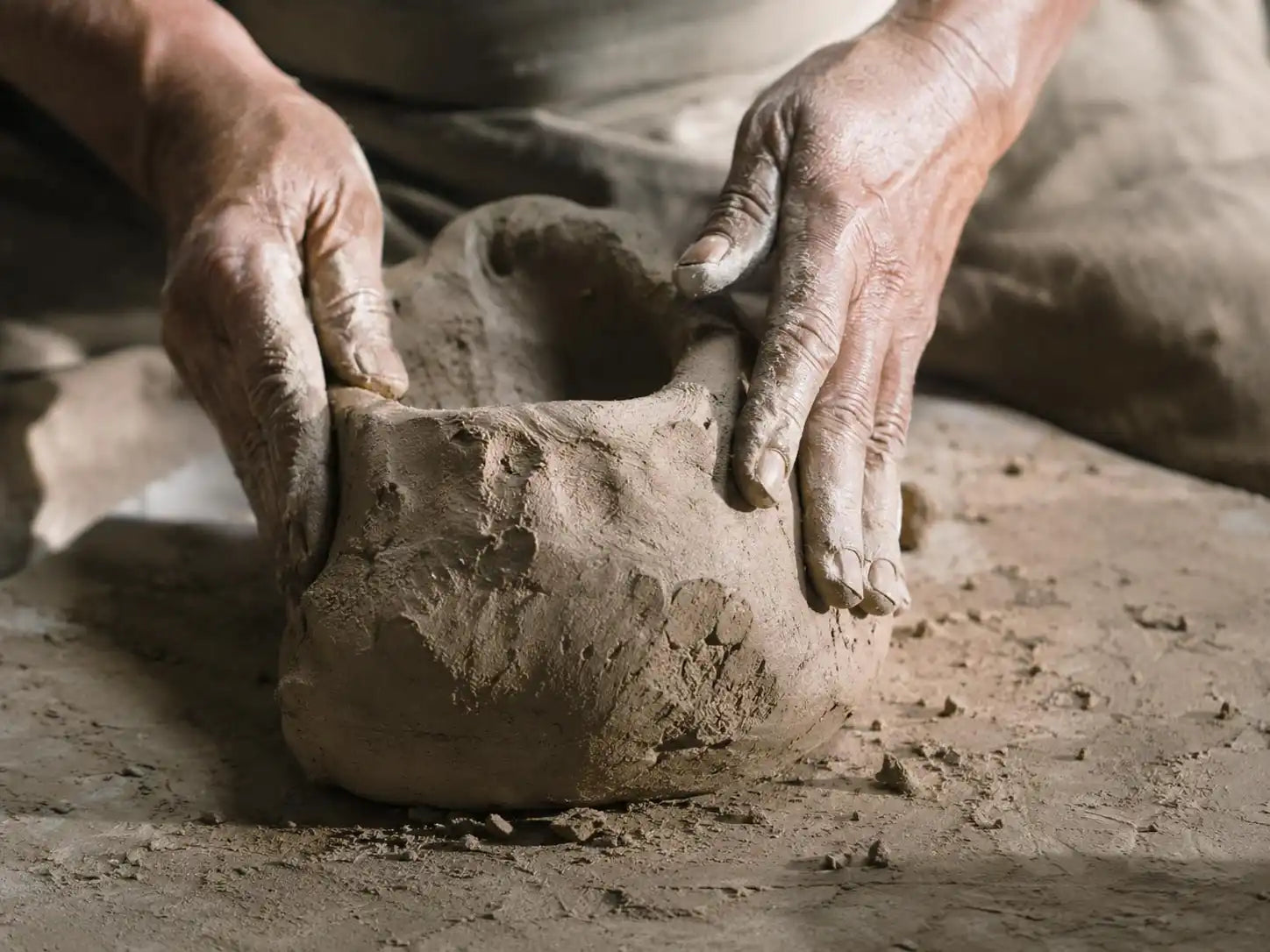
From the ground to the pot
The initial material is simple and primary: earth transformed into clay, chosen to become form.
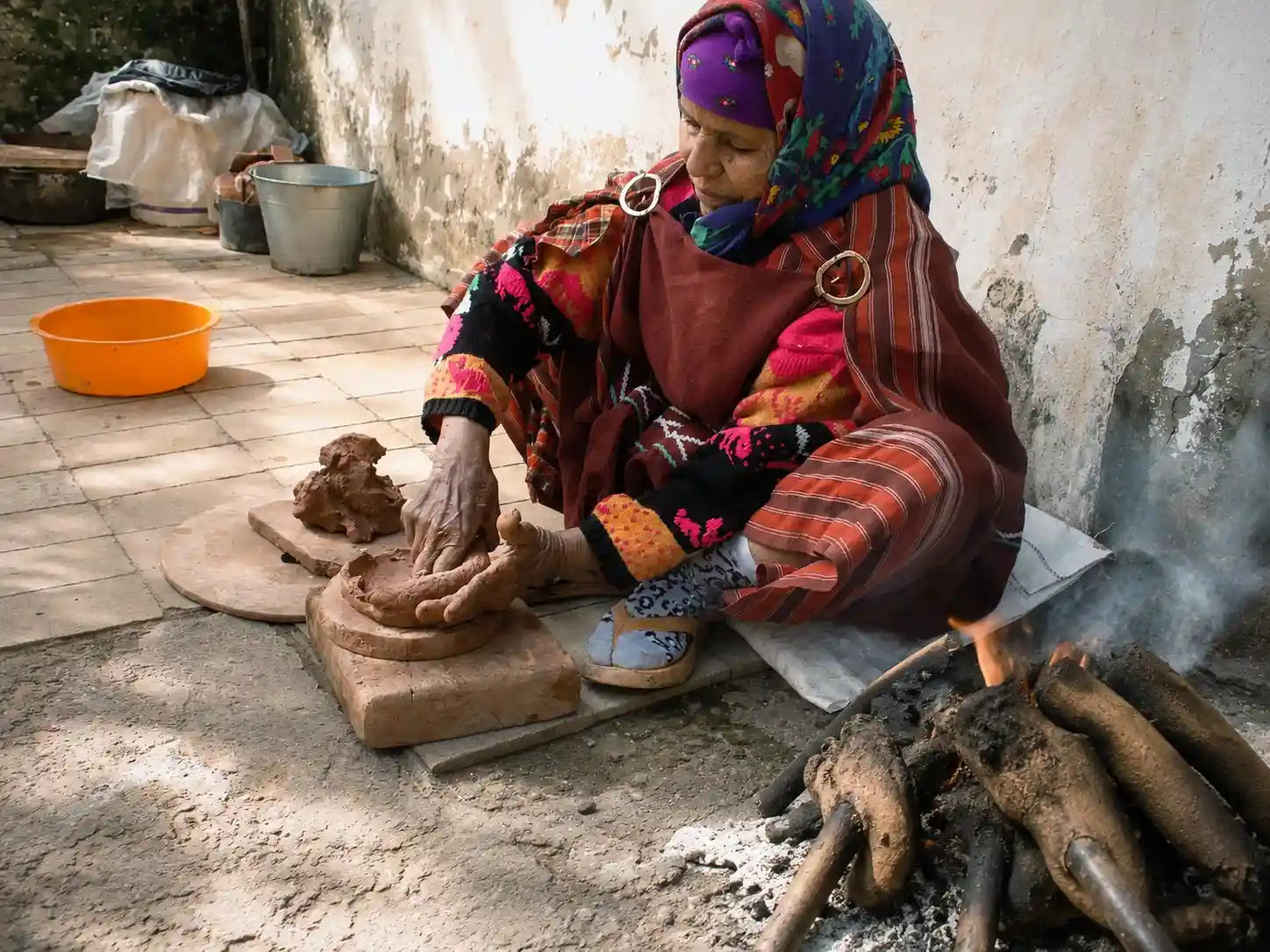
The gesture
The form is born from the hands, not seeking industrial perfection, but a living presence.
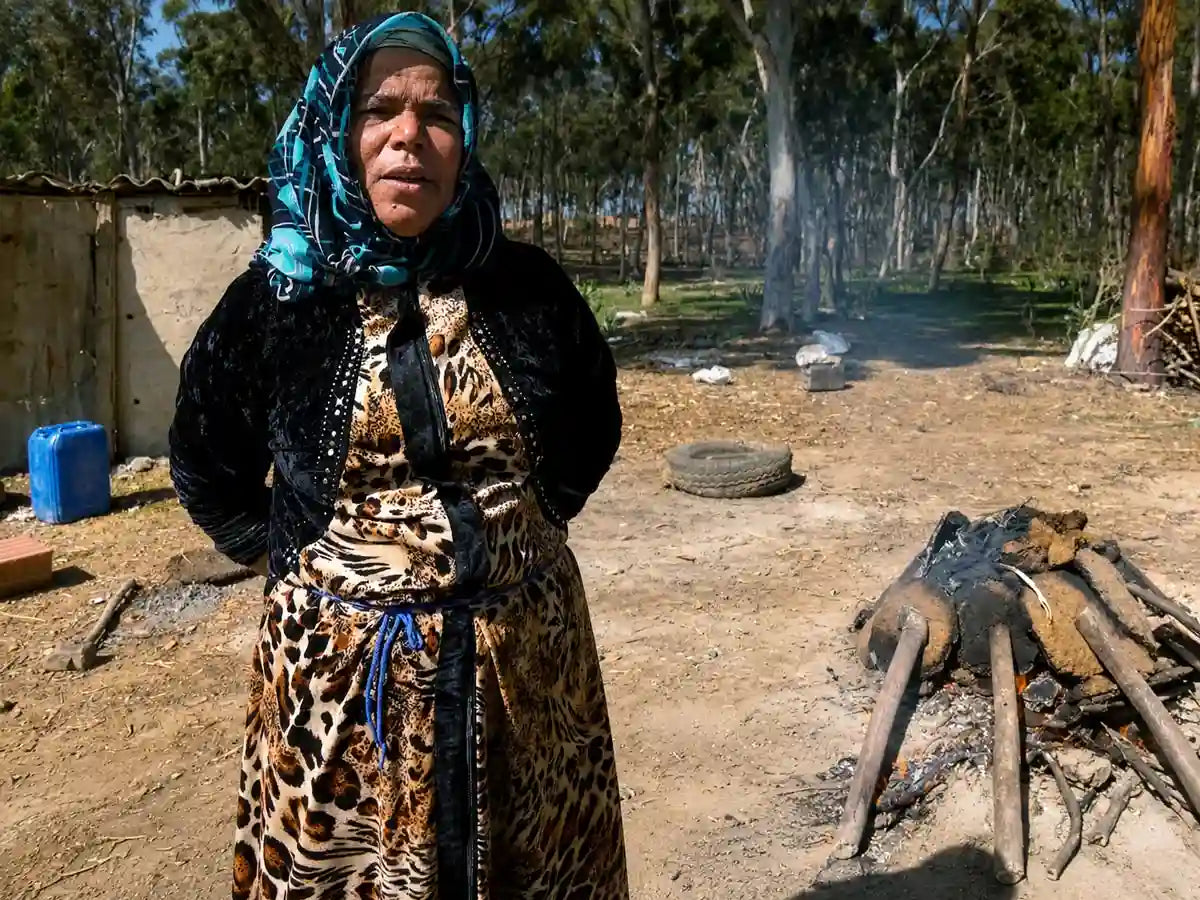
The fire
Cooking transforms matter, leaving variations, shadows, and depths on the surface.
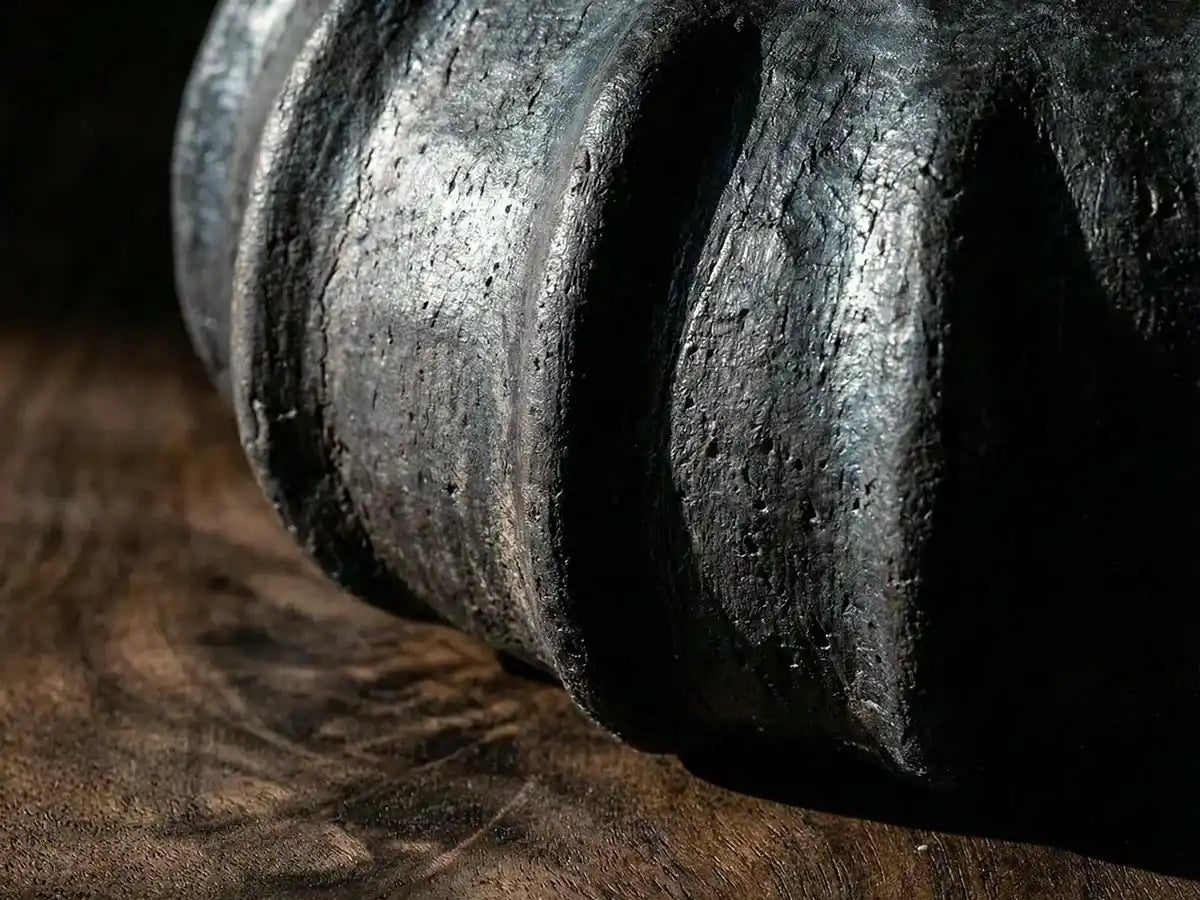
Memory
Each vase retains differences, marks, and irregularities that make it unique.

Why Vicode chose Malles
We chose Malles because it precisely represents what we seek: objects with a soul, born from true materials and hands that hold knowledge.
Their value lies not only in their formal beauty but in their ability to bridge geographies, cultures, and contemporary interiors. In a home, a Malles vase does not appear as a mere ethnic or decorative object. It carries a deeper presence: earth, time, gesture, and identity.
This is why we wanted them within Vicode: not to add a collection, but to preserve and tell a story.
Discover the Malles x Vicode selection

A sculptural presence for the home
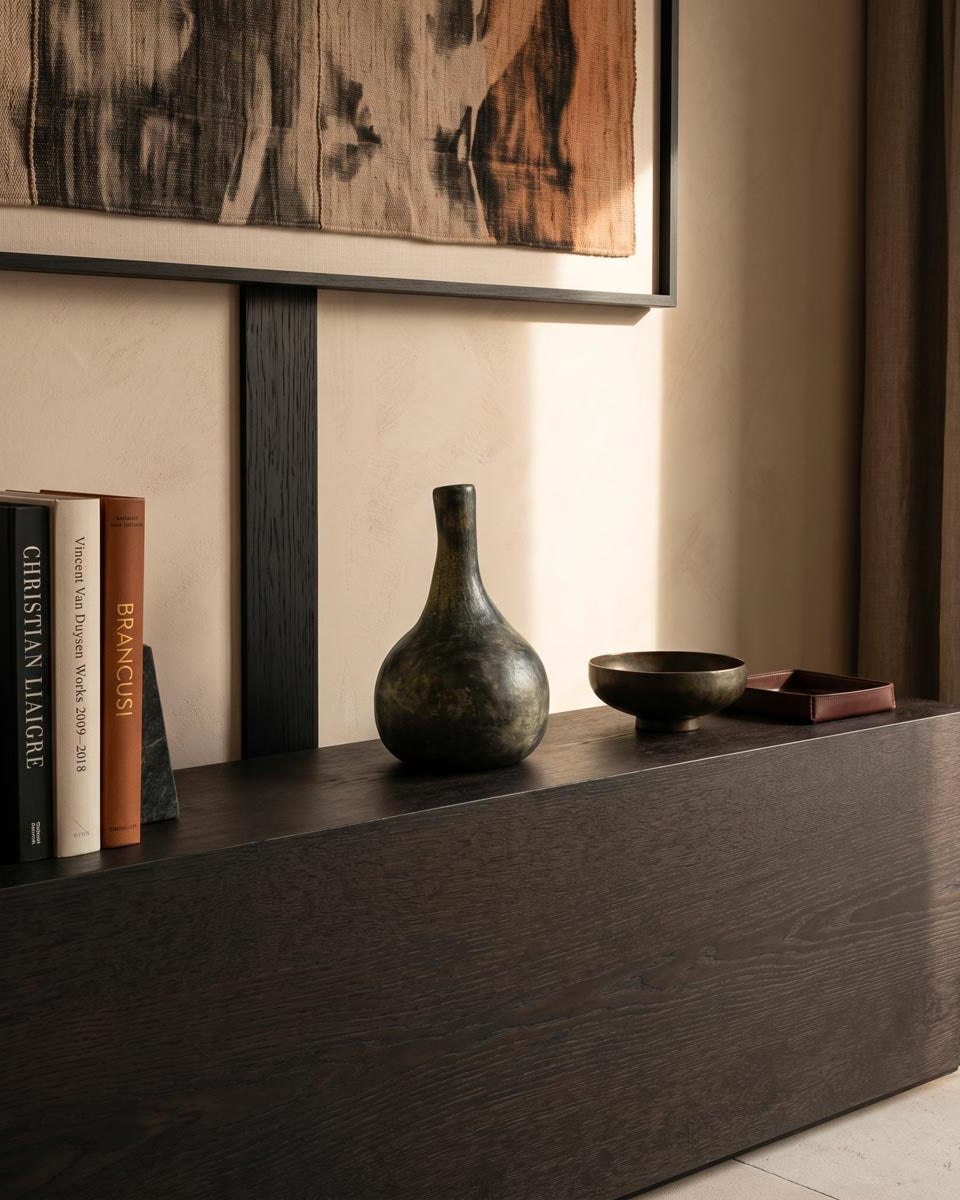
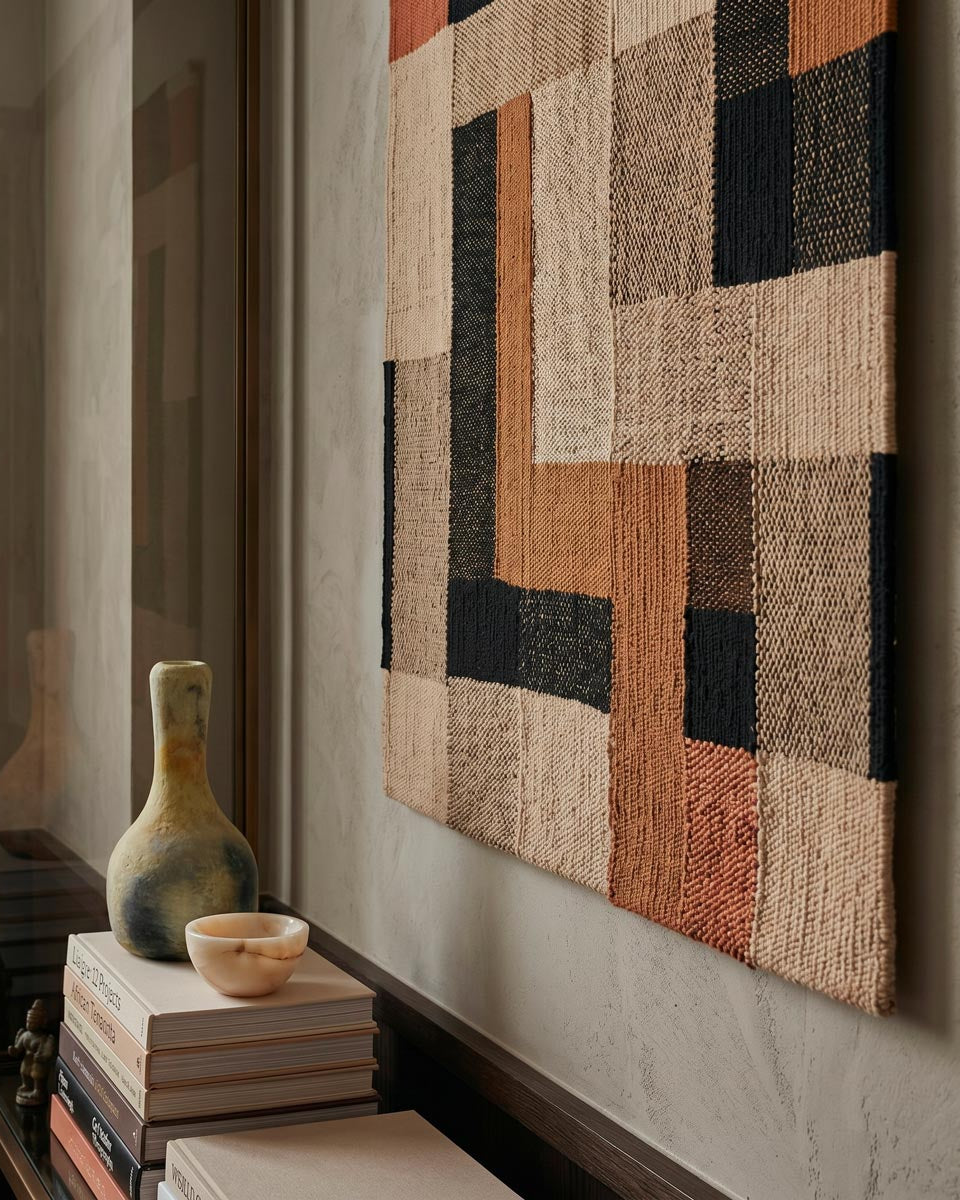
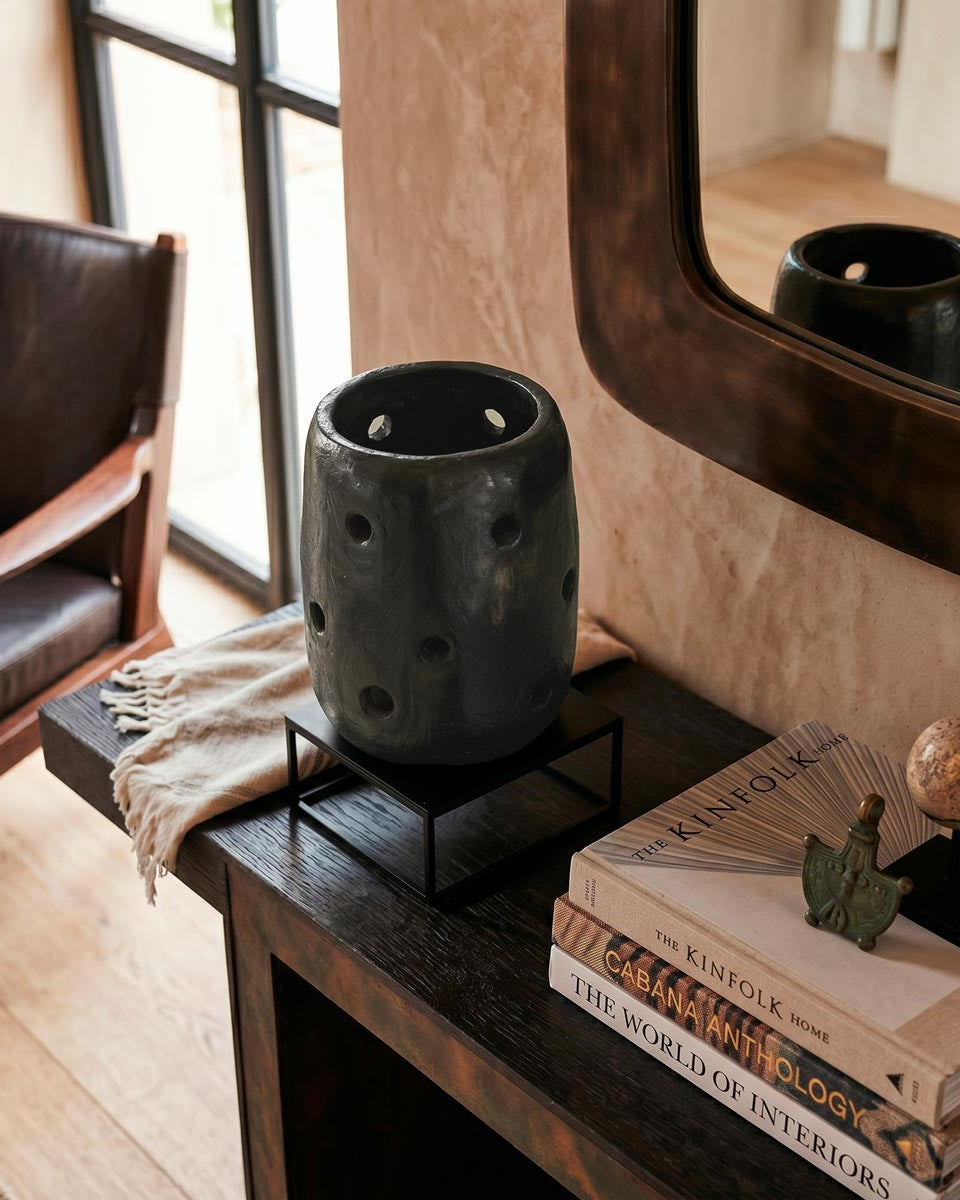
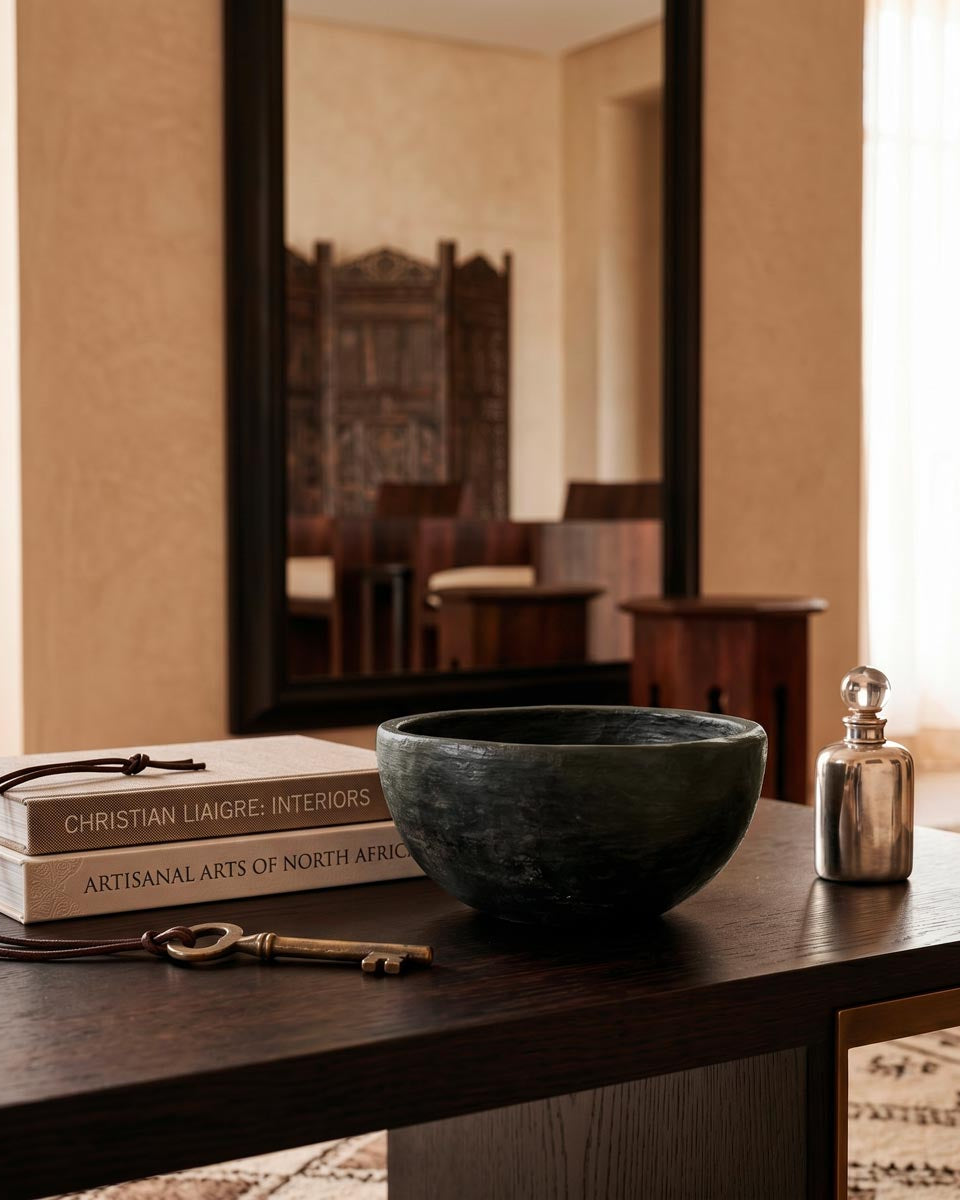
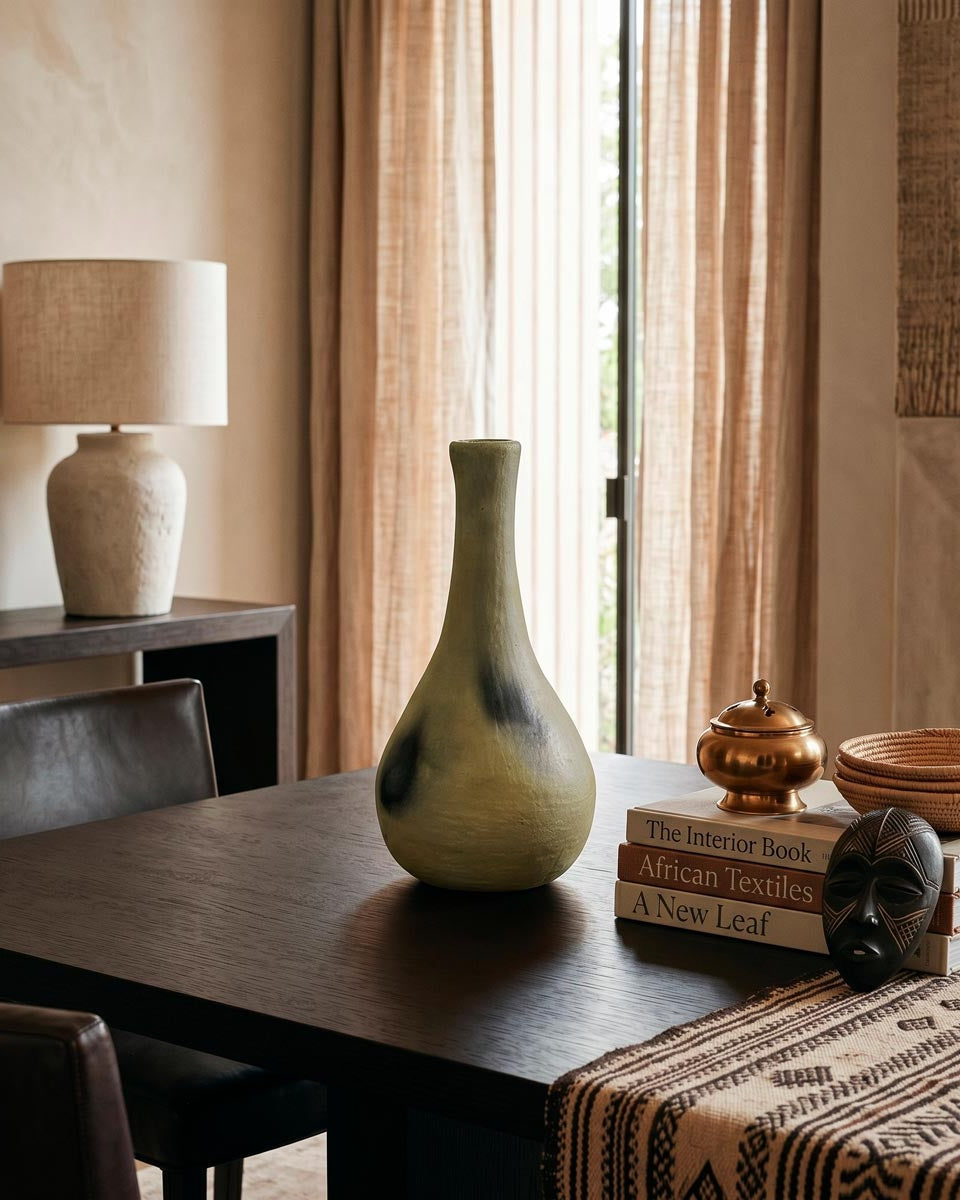
Placing a Malles vase in a contemporary interior means creating a measured contrast between archaic material and current space. The dark surface, compact shape, and sculptural presence allow these objects to interact with wood, stone, linen, burnished metals, and works of art.
On a sideboard, they can become the focal point of the composition. In a bookcase, they introduce a material pause between books and objects. In a niche, they take on almost the value of a small sculpture.
Their strength lies precisely in their ability to exist on their own, without needing to be completed.
To delve deeper into the relationship between objects and space, read the guide Space Decoration.

From ancestral gesture to contemporary design
Selected Malles pots from Vicode have engaged in a dialogue with the world of contemporary design, even in highly visible contexts.
In 2026, Malles pieces acquired from Vicode were featured at the Living Divani stand at the Salone del Mobile, as part of the exhibition curated by Studio Ossino.
For us, this was an important confirmation: objects born from an ancient craft can converse with the most sophisticated design, without losing their identity.

Timeless Matter at Palazzo Pretorio
With "Materia senza tempo" (Timeless Matter), Vicode brought Malles ceramics into Palazzo Pretorio, in Vicopisano, creating a dialogue between medieval architecture, Tunisian material, and contemporary vision.
The event stemmed from a simple idea: to show how a handcrafted object can traverse different places, eras, and cultures, while maintaining its intrinsic power.
The historic halls of the palace welcomed the ceramics as silent presences, capable of building a relationship between memory, material, and space.
Vases and ceramic objects chosen for their material strength, their origin, and their ability to inhabit contemporary interiors with presence and authenticity.
Frequently Asked Questions
What are Sejnane ceramics?
These are terracotta artifacts made according to a female tradition from northern Tunisia. The shapes are molded and decorated by hand, using techniques passed down through time and deeply connected to the local community.
Why is Sejnane pottery recognized by UNESCO?
In 2018, the pottery skills of the women of Sejnane were inscribed on UNESCO’s Representative List of the Intangible Cultural Heritage of Humanity. This recognition highlights knowledge made up of gestures, techniques, forms, and female transmission.
Are Malles vases one-of-a-kind pieces?
Each vase shows variations in shape, surface, and finish due to manual craftsmanship. Even when belonging to the same formal family, each piece retains its own identity.
How to decorate your home with a Malles vase?
A Malles vase can be displayed on a sideboard, in a bookcase, in a niche, or as a standalone sculptural piece. It works particularly well next to natural materials, art books, essential artworks and surfaces.
Why did Vicode choose Malles?
Because Malles perfectly represents our idea of an object: authentic material, manual craftsmanship, cultural identity, and the ability to interact with contemporary interiors without losing its origins.

Keep exploring
All the stories dedicated to materials, travels, artists, projects and events that define the Vicode vision.
A journey to discover the materials, techniques, surfaces and processes that make artisan ceramics unique.
Compositional principles for enhancing sideboards, shelves, console tables, coffee tables, and niches through objects, books, and artworks.
Appointments, vernissages and installations where Vicode objects interact with people and places.

